

رؤية موحدة: جلسات يوم EVMA تربط السياسات واللوائح وديناميكيات السوق لضمان نجاح اللقاحات – ExCon 2025
Panel 1
Governmental Framework for Vaccine Localization aligned with key international organizations
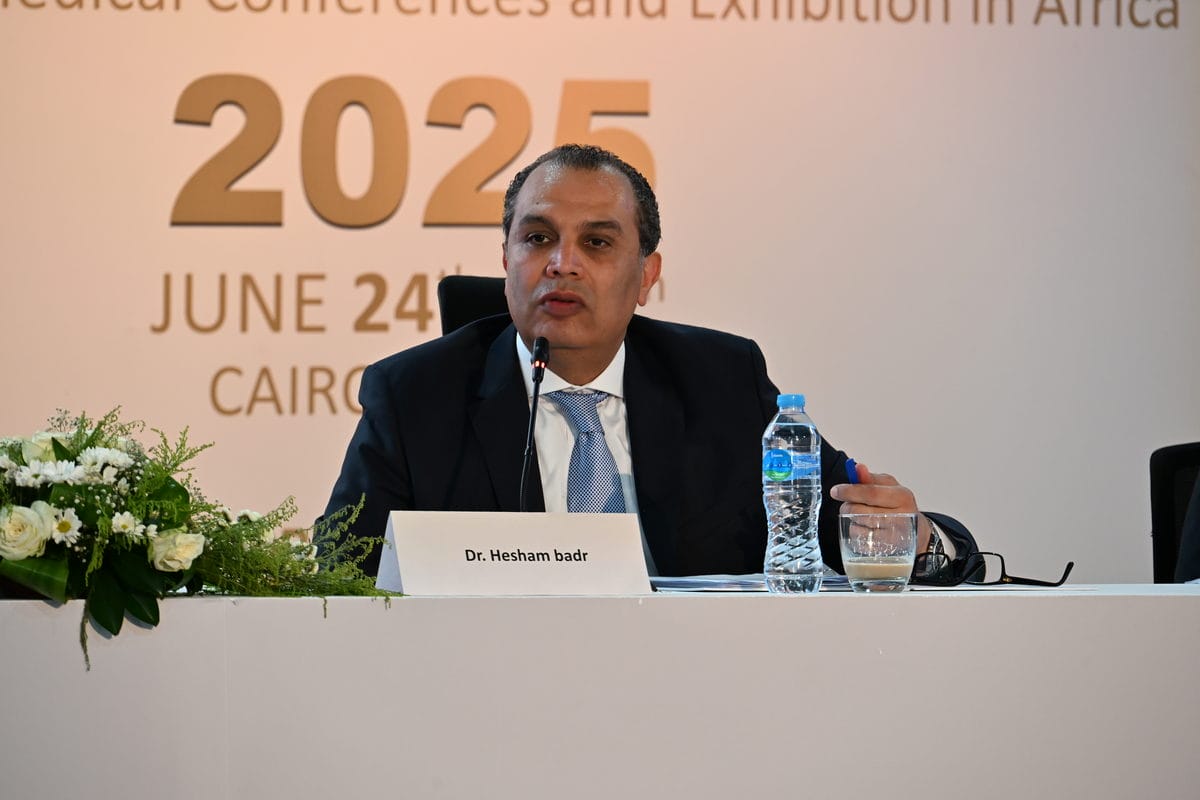
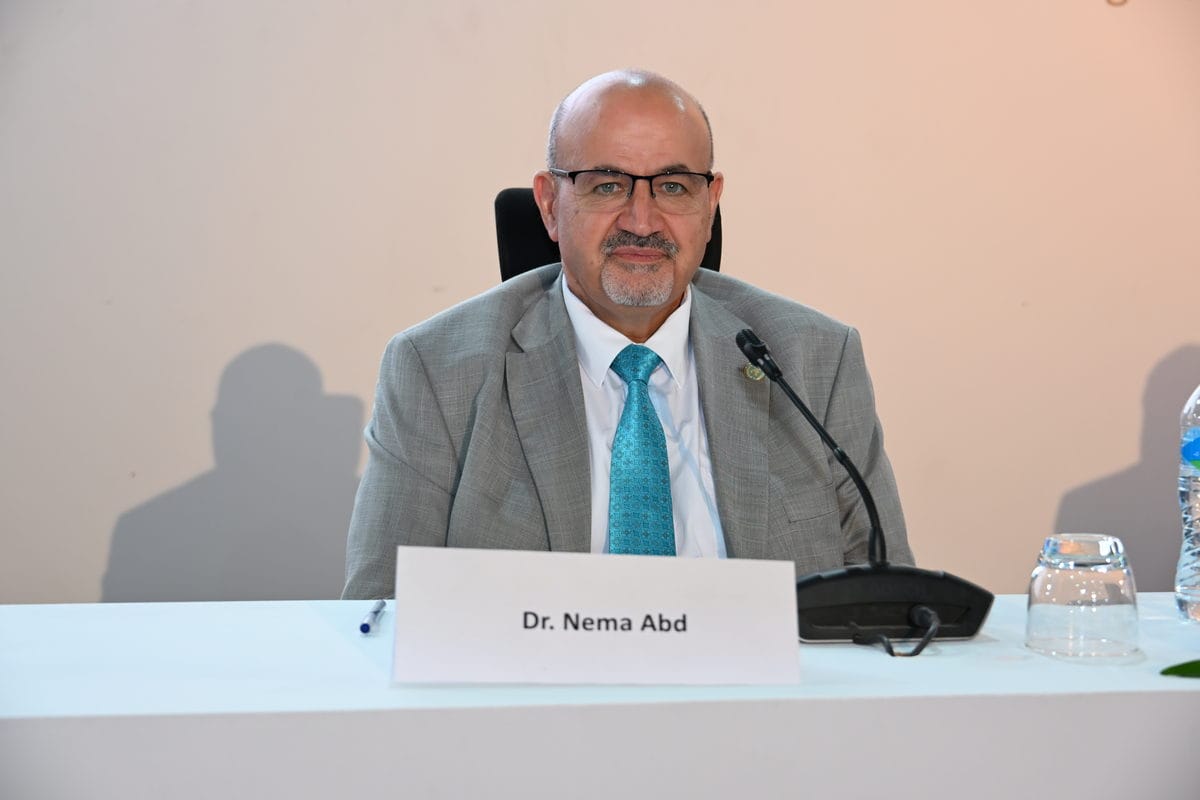
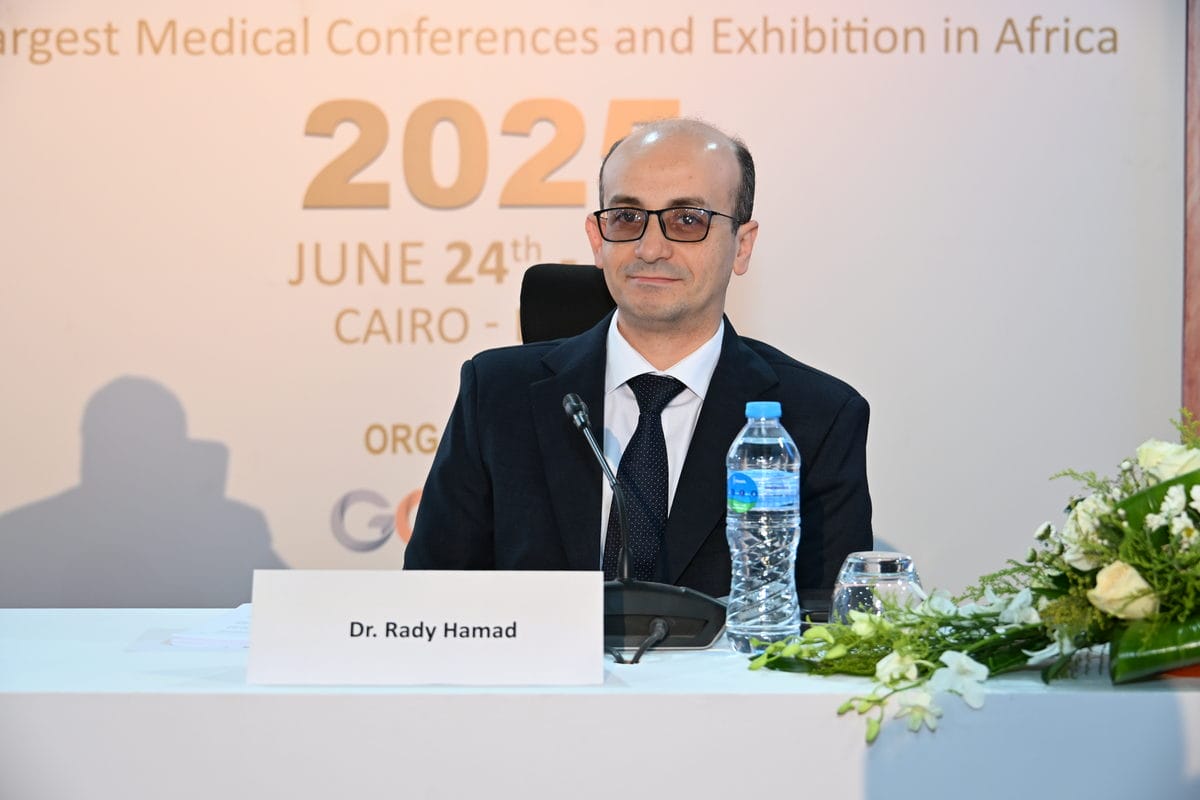
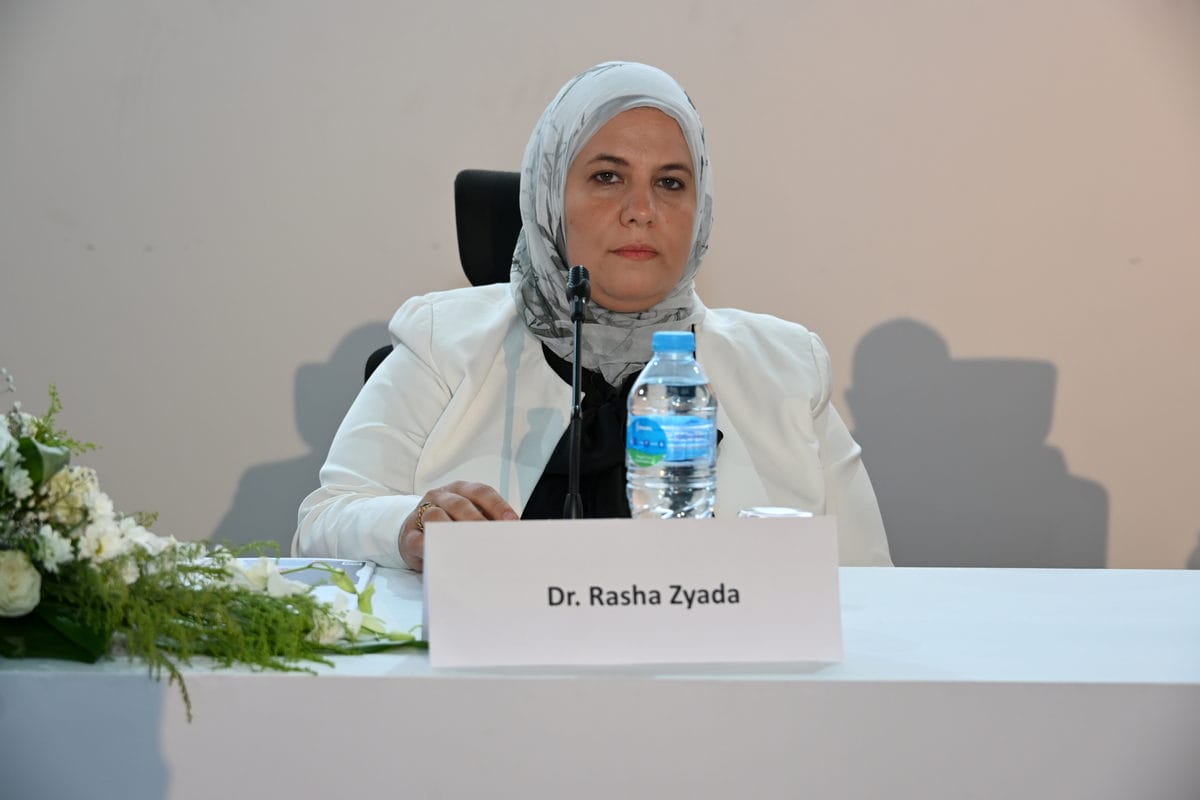
The discussion centered on Egypt's strategic commitment to becoming a regional hub for vaccine production. The panel featured distinguished experts, including Dr. Hesham Badr (UPA), Dr. Rady Hammad (MOHP), Dr. Rasha Zeyada (EDA), Dr. Nema Saeed Abid (WHO), and Dr. Wessam Mankoula (Africa CDC).
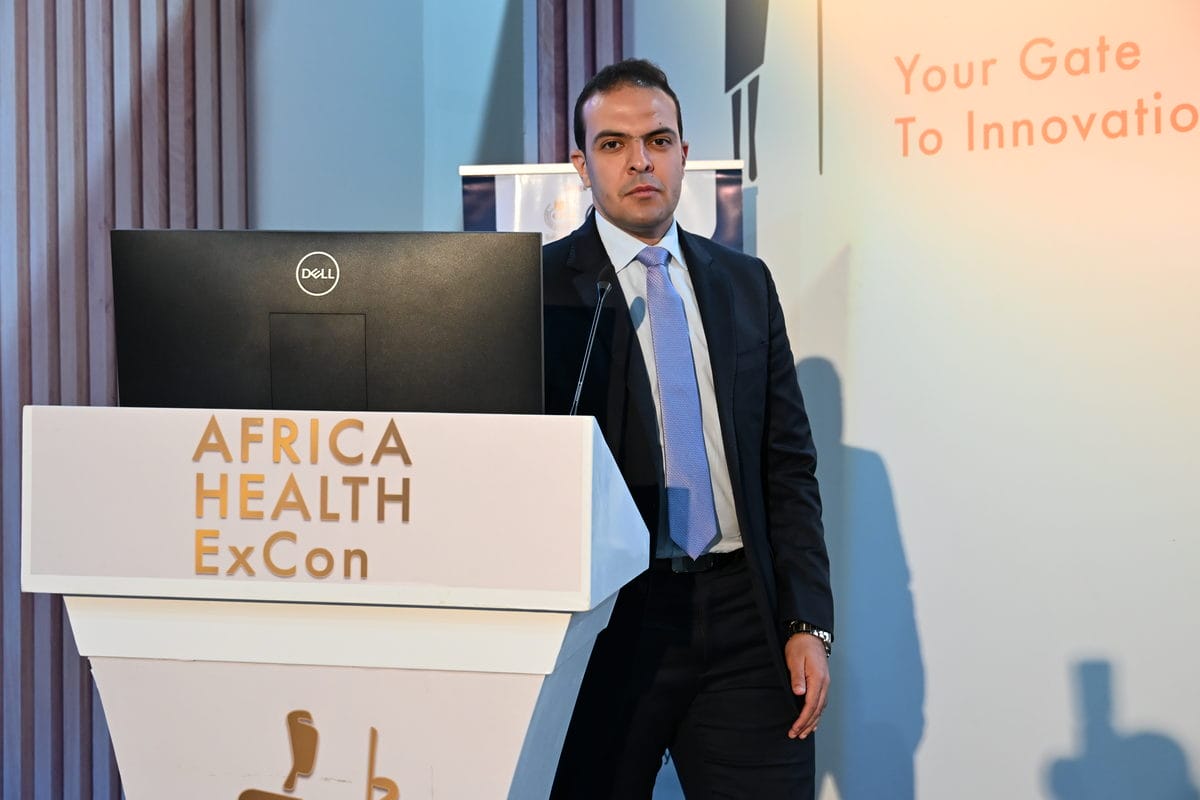
The first panel was moderated by Dr. Rania Mohsen (UPA)
Key Challenges Identified:
- Fragmentation: Local vaccine manufacturing is fragmented across multiple uncoordinated facilities, which can lead to quality inconsistencies and operational inefficiencies.
- Economic Viability: The panel discussed the economic challenges of achieving mass production and economies of scale in biological manufacturing.
- Import Dependency: A heavy reliance on imported vaccines, which reached nearly 99% during the pandemic, resulted in delayed access and contributed to loss of life.
- Regulatory Hurdles: The WHO prequalification process is lengthy, and there is a variation in starting points for different manufacturers, affecting regulatory capacity.
Proposed Solutions and Commitments:
- Strategic Collaboration: EVMA aims to transform competition among local manufacturers into strategic collaboration, encouraging them to complement each other's capabilities to improve efficiency and resource utilization.
- Quality and Surveillance: The MOHP committed to cooperating with stakeholders to apply quality and surveillance expertise, ensuring the safety and effectiveness of locally produced vaccines.
- Capacity Building: The EDA will support EVMA and manufacturers through training and capacity-building initiatives.
- Aligning with Continental Agenda: The Africa CDC outlined a continental agenda to prioritize diseases and collect data on vaccine demands to direct local manufacturing efforts.
As Dr. Wessam Mankoula from the Africa CDC stated, "If you wanna go fast, you go alone But, If you gonna go far you need to go together and Africa decided to Go far"
Panel 2
National Manufacturers and Market Research Insights
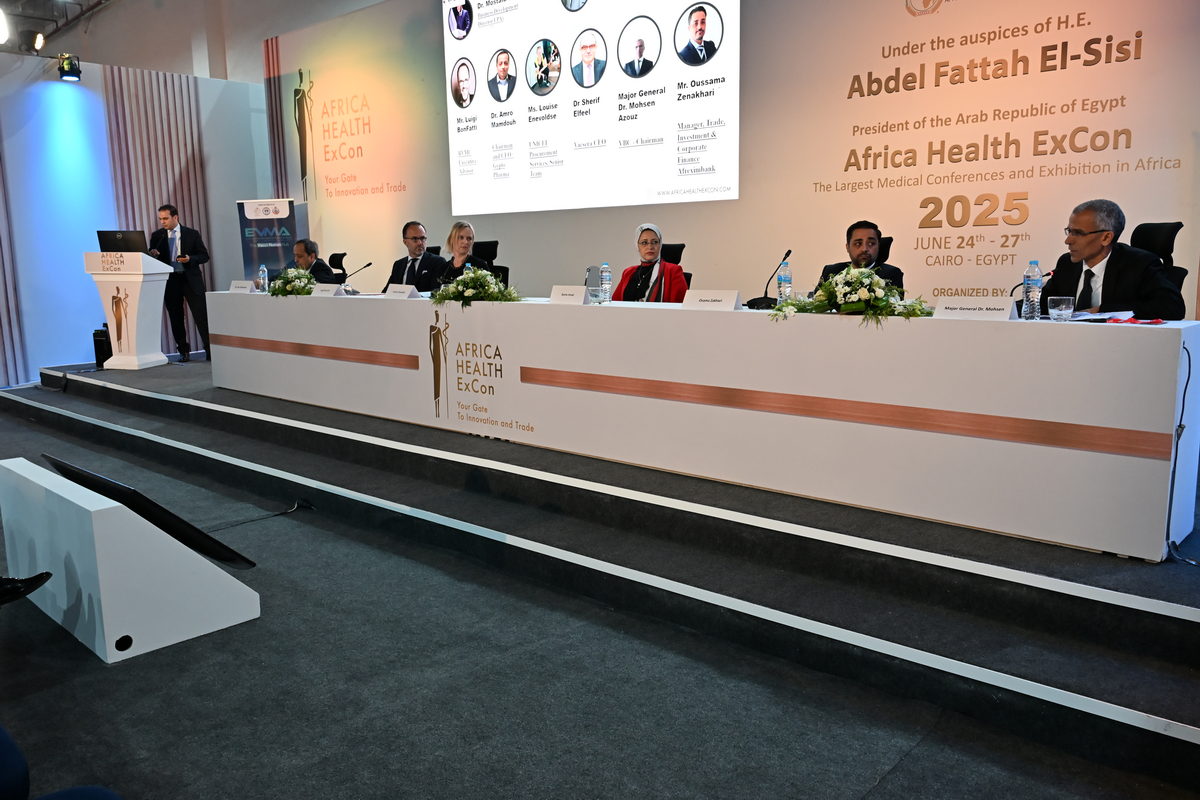
The second panel, "National Manufacturers and Market Research Insights," was moderated by Dr. Mostafa Ghorab (UPA). The discussion focused on critical barriers to vaccine market access in Africa and the need for stronger collaboration and investment. Panelists included representatives from Gyptopharma, Vacsera, VBC, UNICEF, RVMC, CHAI, and Afriximbank.
Key Challenges Identified:
- Project Fragmentation: Dr. Mohammad Badat from CHAI warned against a "long tail" effect, where an abundance of projects struggle with full commercialization.
- Funding Gaps: There are financial gaps for "near to market" vaccines, and a high reliance on a few donors with an absence of new investors.
- Technology Transfer: There is a shortage of actual technology transfer relative to the manufacturing capacity built, which can lead to "over-capacitization" and underutilization.
- WHO Pre-qualification: Local manufacturers' lack of WHO prequalification limits their access to global procurement channels, such as UNICEF.
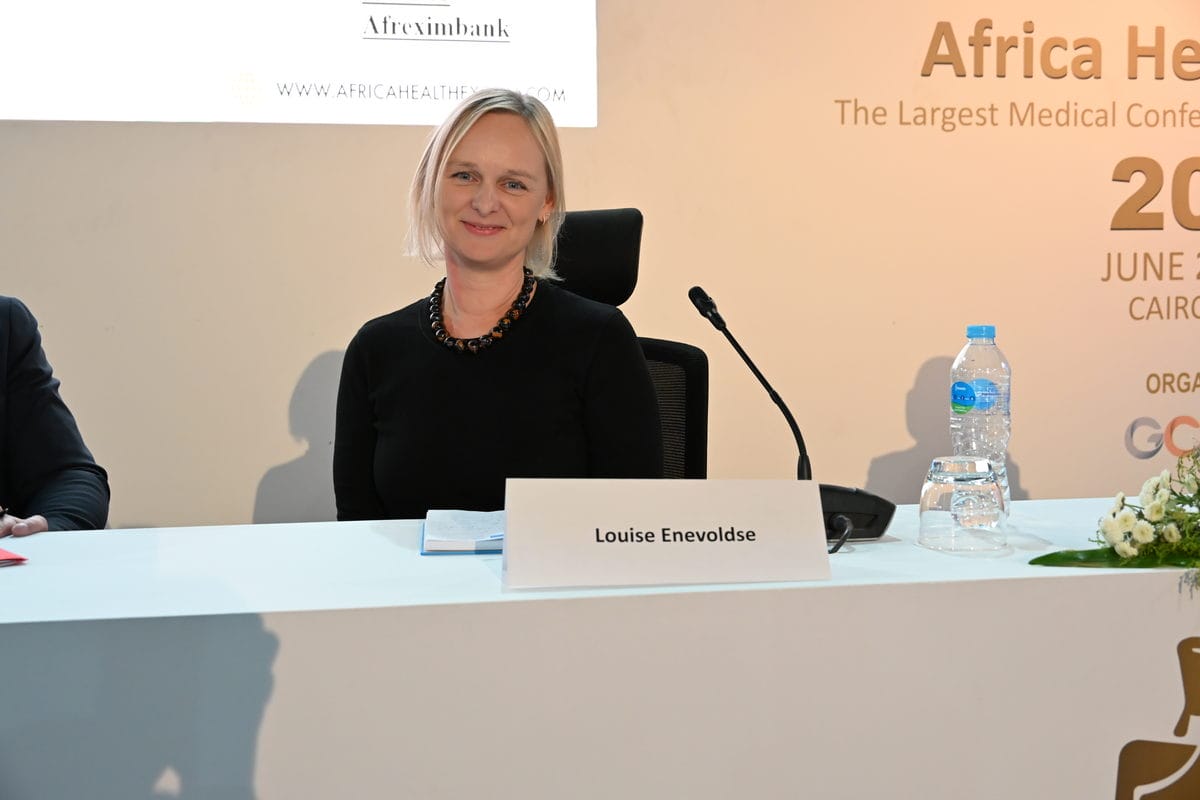
- Product Differentiation: Ms. Louise Enevoldsen from UNICEF highlighted the challenge of local manufacturers lacking product differentiation, which is crucial for penetrating a busy market.
Proposed Solutions and Commitments:
- Rationalization: Dr. Badat suggested rationalizing the number of projects run by Africa Vaccine Manufacturers (AVMs) to avoid a long tail of unsustainable projects.
- Financial Support: Afriximbank, represented by Mr. Osama Zena Khari, committed to supporting vaccine pharmaceutical production. CHAI also recommended that funders use risk instruments to close funding gaps.
- Transparency: Mr. Luigi BonFatti from RVMC emphasized that transparency among manufacturers is the foundation to achieve the goal of localizing 60% of national vaccine demand.
- Technology Transfer: The panel stressed the need to strengthen technology transfer partnerships to avoid over-capacitization.
- WHO PQ: Ms. Louise Enevoldsen urged local manufacturers to meet WHO prequalification requirements to gain access to global markets and procurement.
Panel 3
Regulatory Perspectives on Vaccine Localization
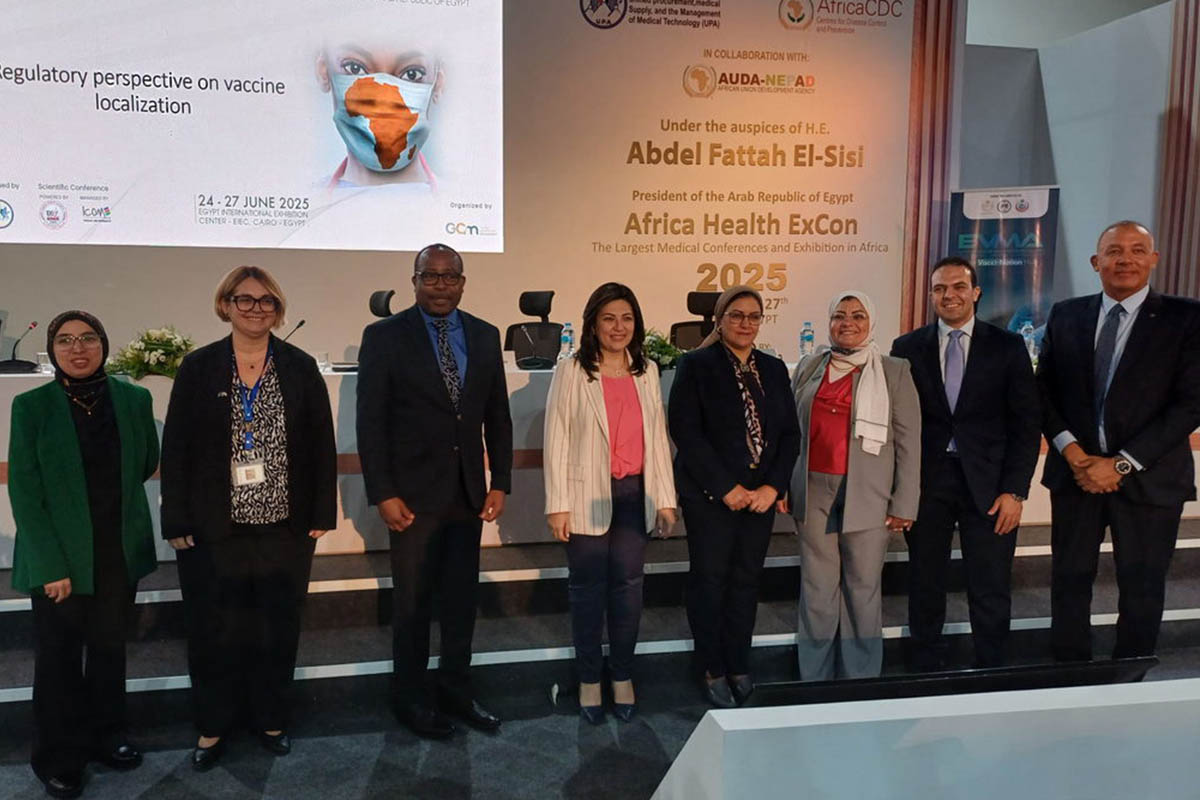
The third panel, "Regulatory Perspectives on Vaccine Localization," focused on the essential regulatory frameworks for successful vaccine production. The moderator emphasized the importance of cooperation among stakeholders, including MOHP, EDA, UPA, and WHO, to advance vaccine localization efforts. The panel included experts from the AMA, EU, BGP, EDA, and WHO.
Key Challenges Identified:
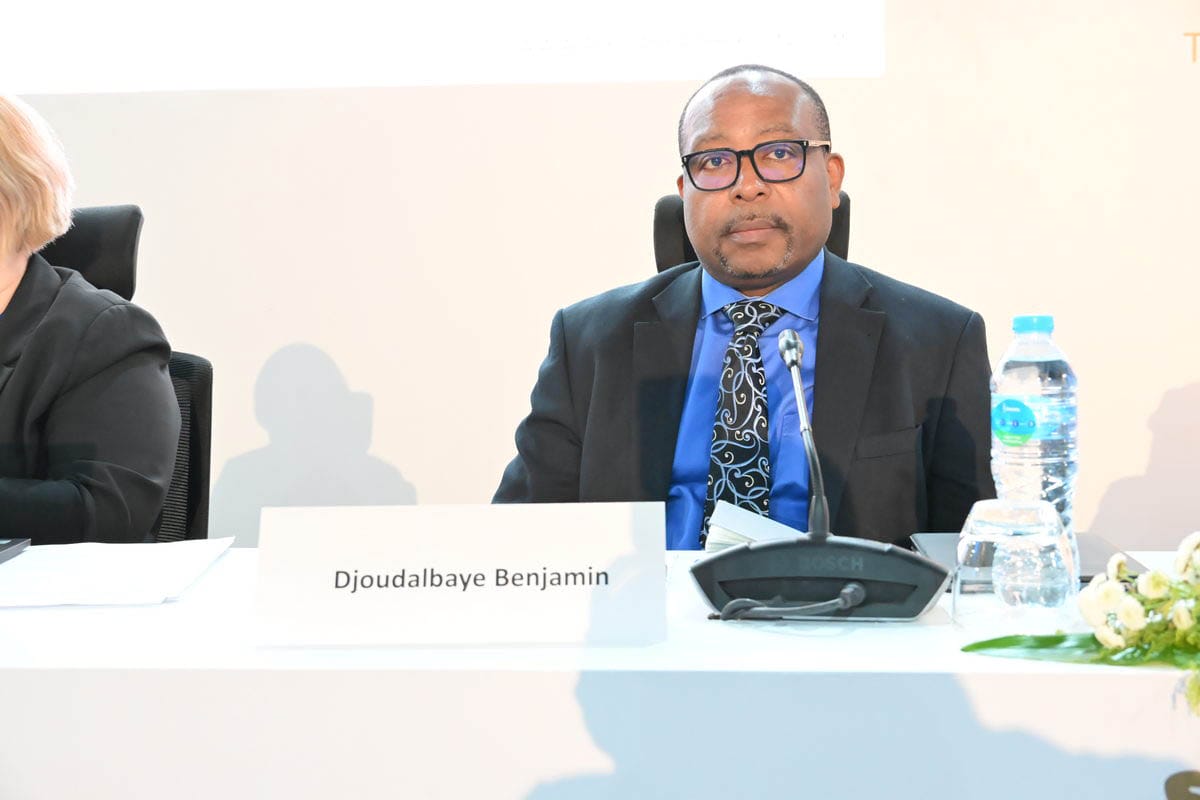
- Supply Chain Bottlenecks: Dr. Djoudalbaye Benjamin from AMA highlighted that supply chain resilience remains a critical bottleneck.
- Regulatory Gaps: There are regulatory capacity gaps in Africa, with fewer than eight cities having achieved WHO Maturity Level 3 in vaccine regulation, which delays export readiness. There is also a variation of regulatory standards among countries.
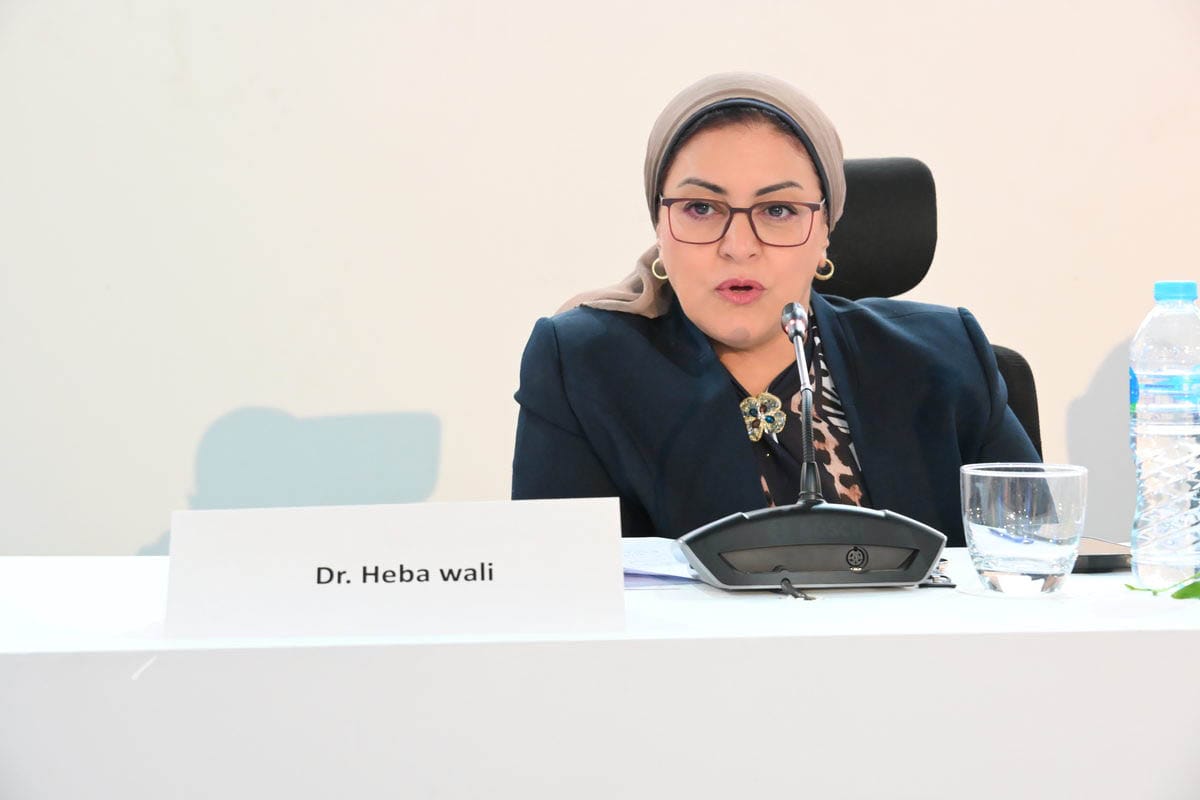
- Dependence on Fill-and-Finish: Dr. Heba Waly from BGP raised concerns about the reliance on fill-and-finish manufacturing, which contradicts the vision of achieving self-reliance.
- Technology Expertise: The panel identified a lack of experience in deploying new technologies, such as mRNA technology, for vaccine production.
Proposed Solutions and Commitments:
- Regulatory Harmonization: The AMA's role is to align standards across countries to accelerate approvals and reduce import dependency.
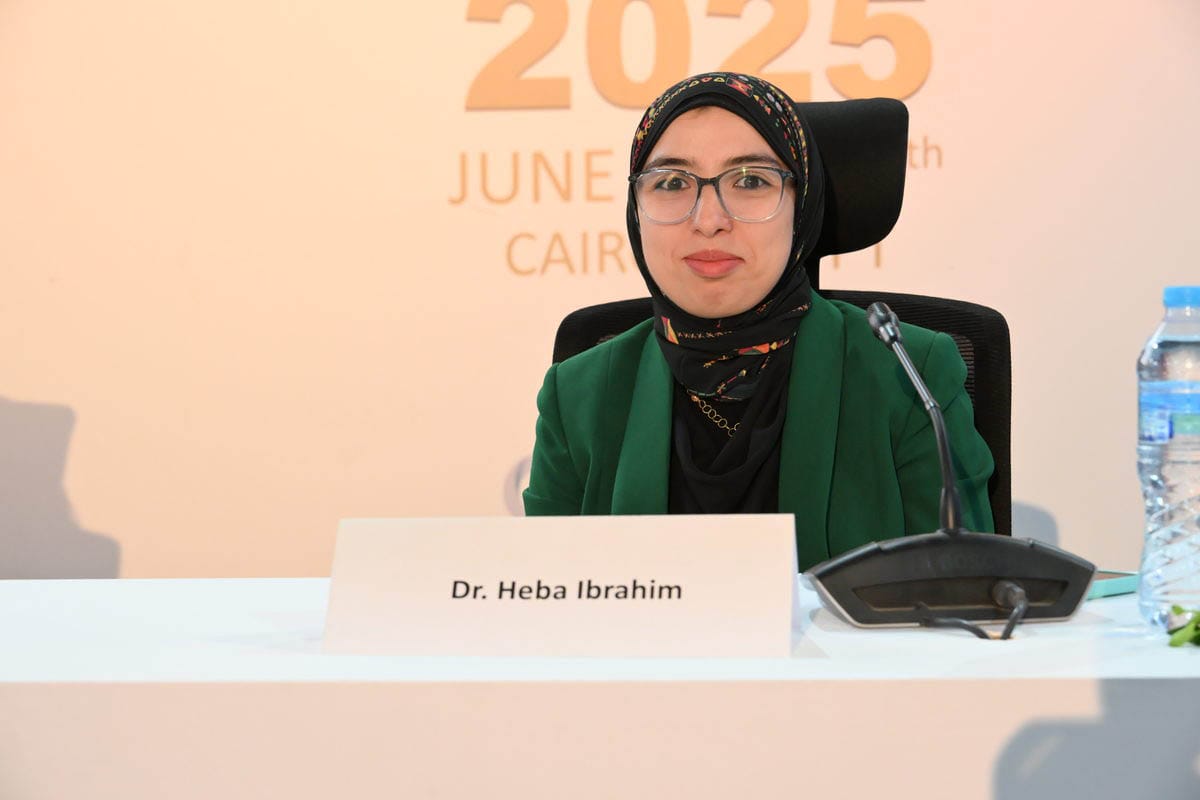
- Capacity Building: Dr. Heba Ibrahim from the EDA stated that the EDA provides manufacturers with scientific services and capacity-building programs.
- Technology Transfer: BGP launched a technology transfer program and sent experts to South Africa for hands-on training on mRNA technology. The EDA is also developing a comprehensive technology transfer guideline.
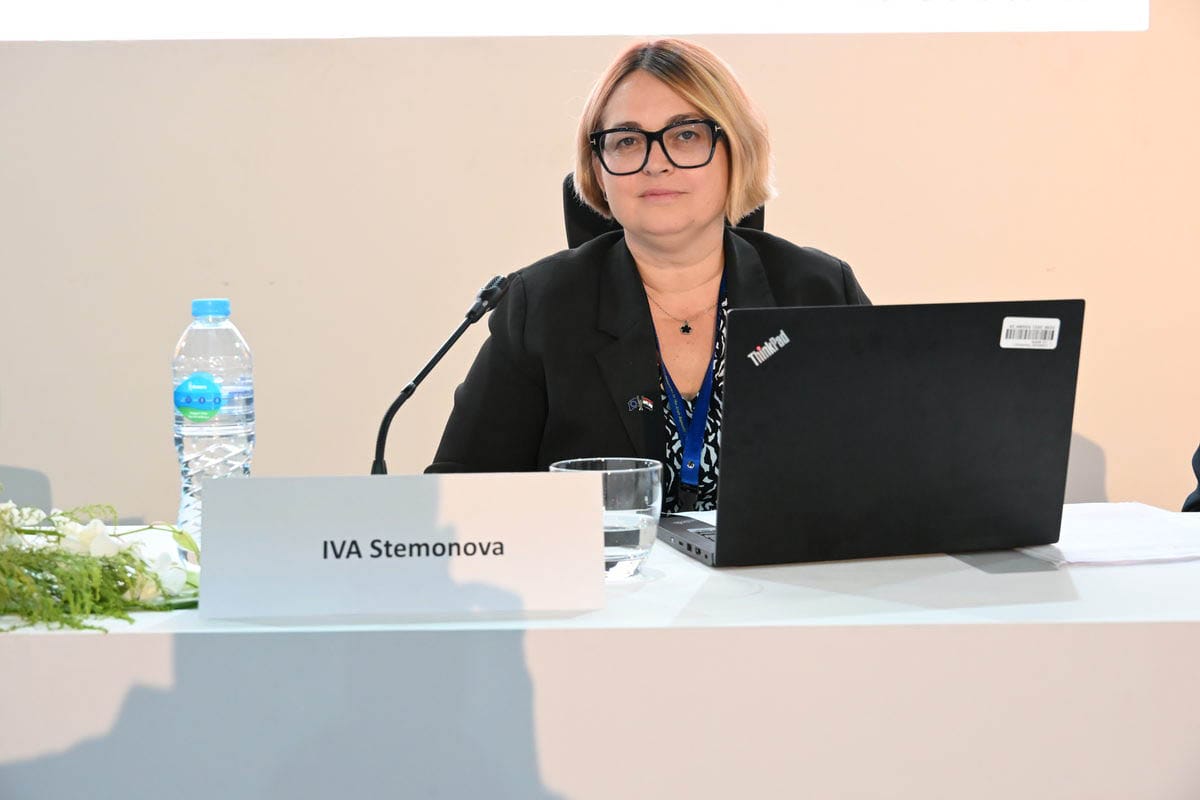
- EU Support: Dr. Eva Stamenova from the EU committed to designing targeted programs to support local manufacturers and collaborate with the EDA to help Egypt achieve WHO Maturity Level 4 in regulatory systems.